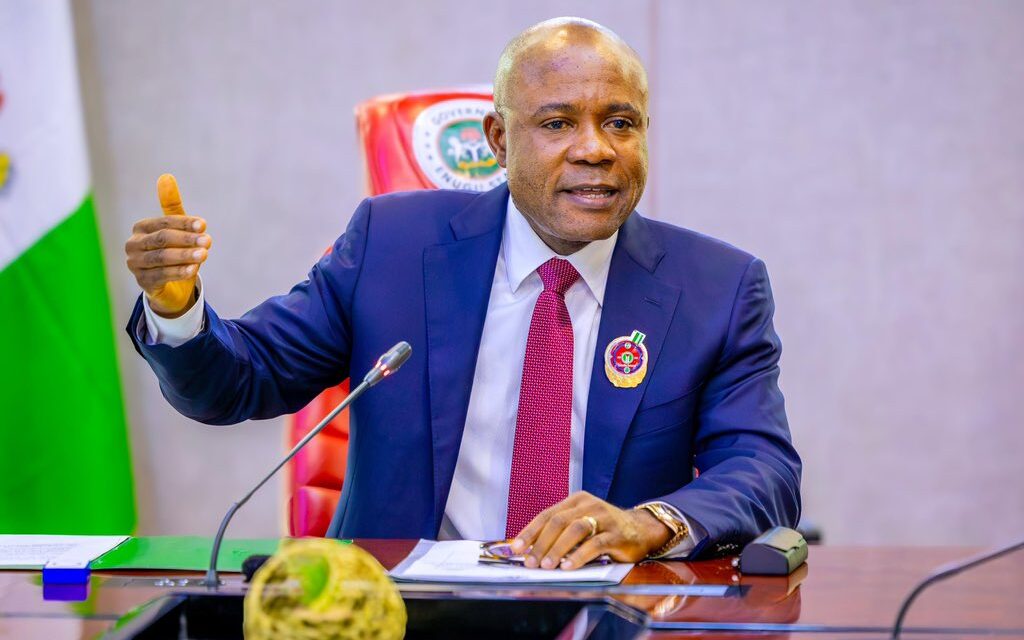

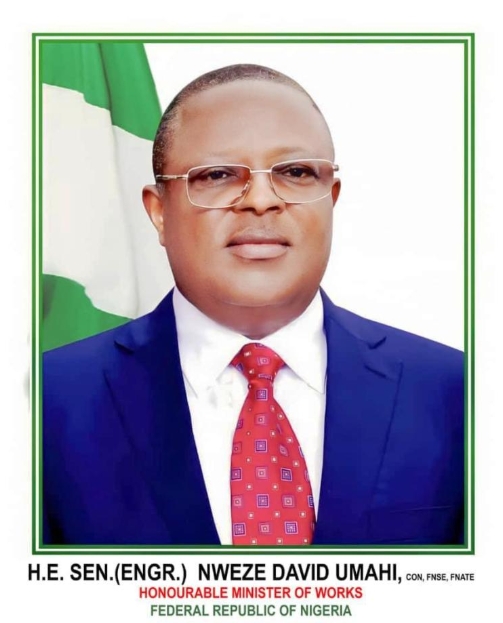
Umahi reshapes Nigeria’s road infrastructure strategy at a time when the country’s economic potential remains closely tied to its ability to move people, goods, and ideas efficiently. For decades, Nigeria’s roads have reflected a deeper problem—fragmented development, weak maintenance culture, and inconsistent execution.
Today, a different approach is taking shape.
Under the leadership of David Umahi as Minister of Works, road infrastructure is no longer treated as isolated projects. Instead, it is being repositioned as a network of economic corridors designed to unlock growth across regions.
Turning Roads Into Economic Corridors
The shift begins with scale and intent.
Projects such as the Lagos–Calabar Coastal Highway are not just about connecting cities. They are about opening new economic frontiers along Nigeria’s coastline. At the same time, the Sokoto–Badagry Super Highway stretches across regions, linking the north to the south in ways that could transform trade and mobility.
In addition, ongoing works on key routes like the Enugu–Onitsha Expressway, Enugu–Port Harcourt corridor, and Abuja–Kaduna–Kano axis are restoring critical links that drive commerce.
As a result, roads are beginning to serve a larger purpose—facilitating agriculture, industry, and regional integration.
Umahi reshapes Nigeria’s road infrastructure strategy
Beyond construction, there is a clear policy direction.
Declaring 2026 an “action year” for roads, the ministry has emphasized faster execution, improved monitoring, and accountability. Regional directors have been directed to return to project sites and ensure delivery timelines are met.
Moreover, the push for concrete road technology signals a long-term mindset. While initial costs may be higher, the durability of concrete roads reduces maintenance frequency and lifecycle costs.
Meanwhile, proposals for tolling selected highways introduce a funding model that supports sustainability rather than dependence on limited public funds.
Therefore, the strategy combines engineering decisions with financial planning.
Reviving Projects and Building Local Capacity
Another defining feature is revitalization.
Many previously stalled or slow-moving projects are now active again, bringing visible progress to communities that had seen little development for years. At the same time, there is a deliberate emphasis on indigenous contractors, reducing reliance on external firms.
In addition, this approach strengthens local expertise and creates employment opportunities within the construction sector.
Consequently, infrastructure development becomes both a physical and economic driver.
Balancing Ambition With Real Constraints
However, the scale of ambition brings challenges.
The proposed ₦3.4 trillion budget reflects both the magnitude of planned projects and the funding realities involved. Delayed capital releases and outstanding contractor obligations remain key concerns.
Moreover, debates around project prioritization highlight the need for careful execution and sustained commitment.
In Summary,David Umahi’s approach reflects a broader attempt to redefine how infrastructure supports national development. Ultimately, if these corridors are completed and maintained effectively, they could reshape how Nigeria moves, trades, and grows.
If not, they risk becoming another set of unfinished ambitions.
For now, the direction is clear—roads are no longer just routes. They are becoming the foundation of Nigeria’s next phase of economic transformation.